Home · Services · Emergency Roof Tarping
Emergency Roof Tarping in Bothell, WA
Quick answer
Securing a storm opened roof with a properly anchored tarp the same day, so rain stops entering while the repair or the claim is arranged in Bothell, shaped by hillside subdivisions, river bottom ranch homes, and corridor townhomes where moss covered shaded slopes, river bottom damp, and debris loaded valleys drive the call pattern.
In Bothell, emergency Roof Tarping is read against the stock it serves: eighties and nineties two story subdivision homes across the hills, older ranch homes near the old downtown and river bottom, townhome and condo stock along the corridors, and newer large lot homes on the north side. With long wet winters, mild dry summers, and persistent valley cloud off the river bottom, the local order of work is set before price, and the written scope names that order.
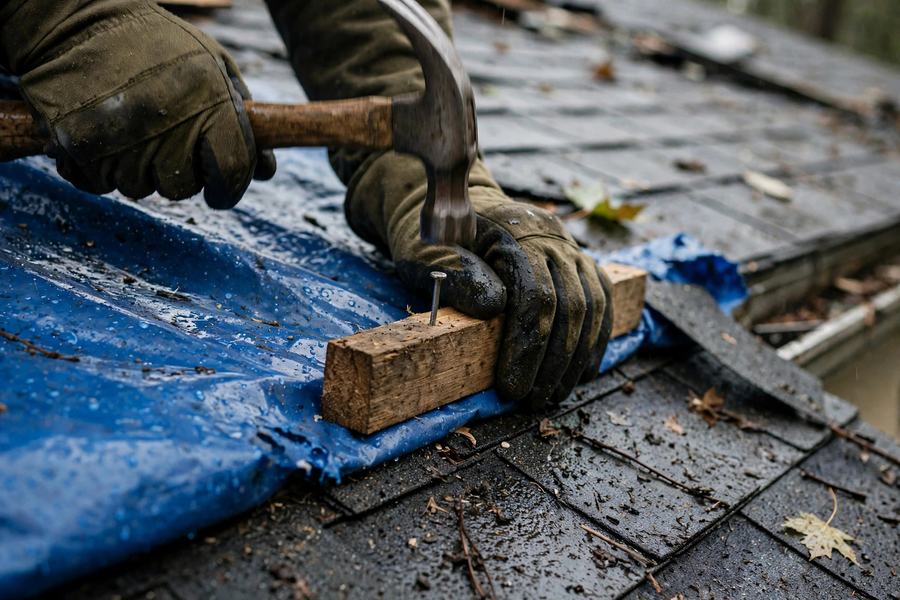
How we approach this job
Emergency response first: For emergency roof tarping in Bothell, the buying situation is urgency: stop the damage from growing, make the property safe, and document conditions before anything is disturbed.
Signs you need emergency roof tarping
- An insurer or adjuster has asked for the property to be protected from further damage. It usually means your insurer expects the property protected from further damage, and the tarp is that step.
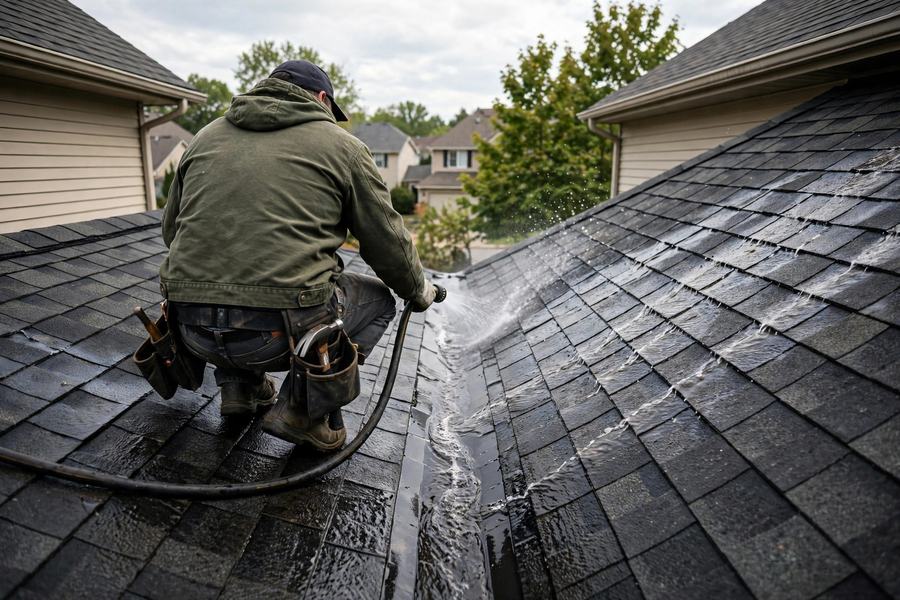
- A tree, limb, or storm debris has opened the roof. It usually means the roof is open to the sky and every rain band is entering.
- Shingles or decking are missing over living space. It usually means living space below is unprotected until the opening is covered.
- Rain is forecast before a permanent repair can happen. It usually means the next rain converts an open roof into interior damage.
What the job involves
What affects the price
- Size and height of the damaged area and roof pitch
- Whether decking is broken through or only covering is lost
- Time of day and storm timing; a tarp placed ahead of the next band is worth more than one placed after
- Tarp method the roof material allows (metal and tile anchor differently from shingle)
When it is an emergency
This is the emergency page. A roof open to the sky during storm season takes water with every band that passes, and policies expect reasonable protection against further damage. If a tree is on the roof, stay out of the rooms under it until someone has looked at the structure. Call, keep people clear, and do not climb up to take your own photos.
PLACEHOLDEREmergency Roof Tarping across the Bothell area
Related services
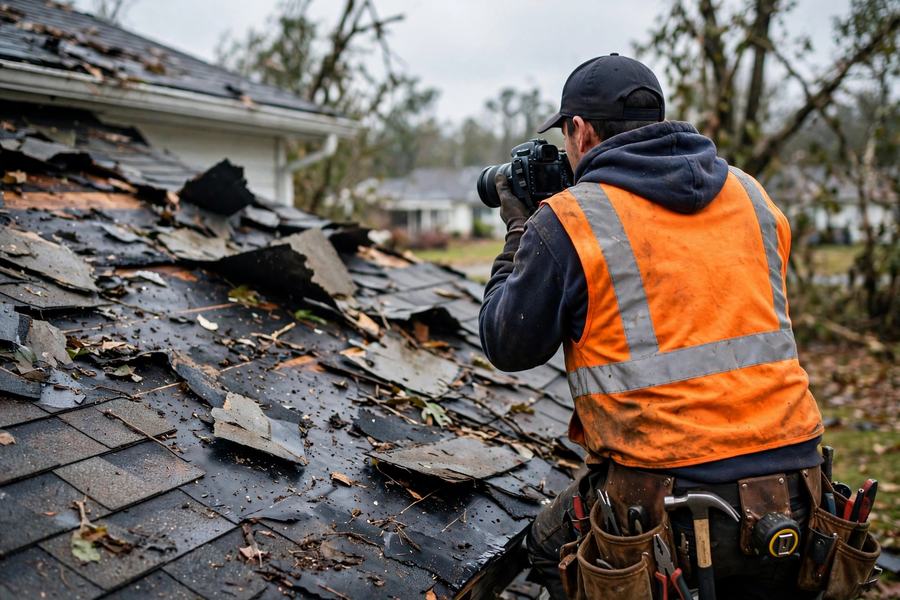
Storm & Hail Damage Roof Repair
Assessment and repair of wind and hail damage after a storm date: lifted and missing shingles, bruised mats, dented metal, and the leaks that follow in Bothell, shaped by hillside subdivisions, river bottom ranch homes, and corridor townhomes where moss covered shaded slopes, river bottom damp, and debris loaded valleys drive the call pattern.
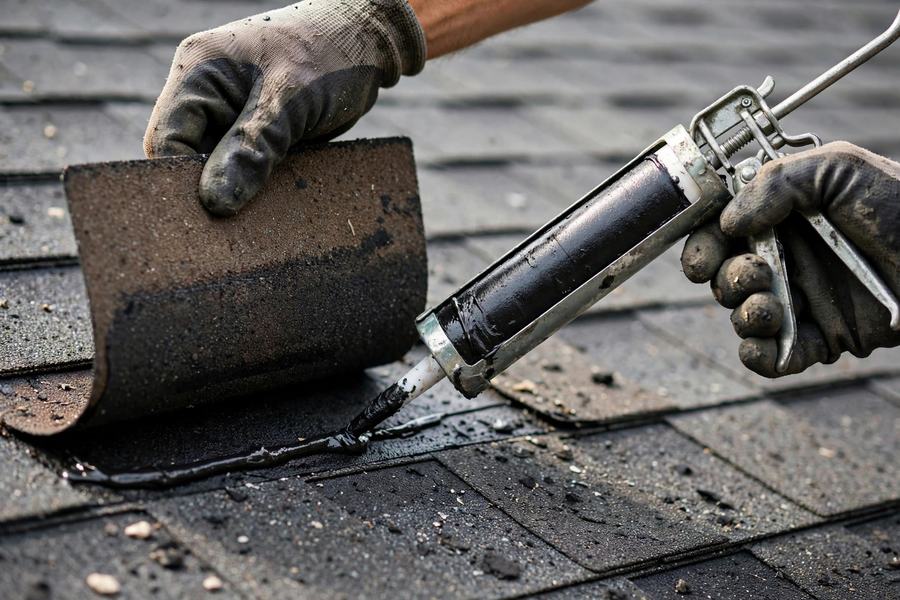
Roof Repair
Diagnosis and repair of a roof that leaks, has lost shingles, or shows storm wear, scoped to the actual failure instead of a full replacement sales pitch in Bothell, shaped by hillside subdivisions, river bottom ranch homes, and corridor townhomes where moss covered shaded slopes, river bottom damp, and debris loaded valleys drive the call pattern.
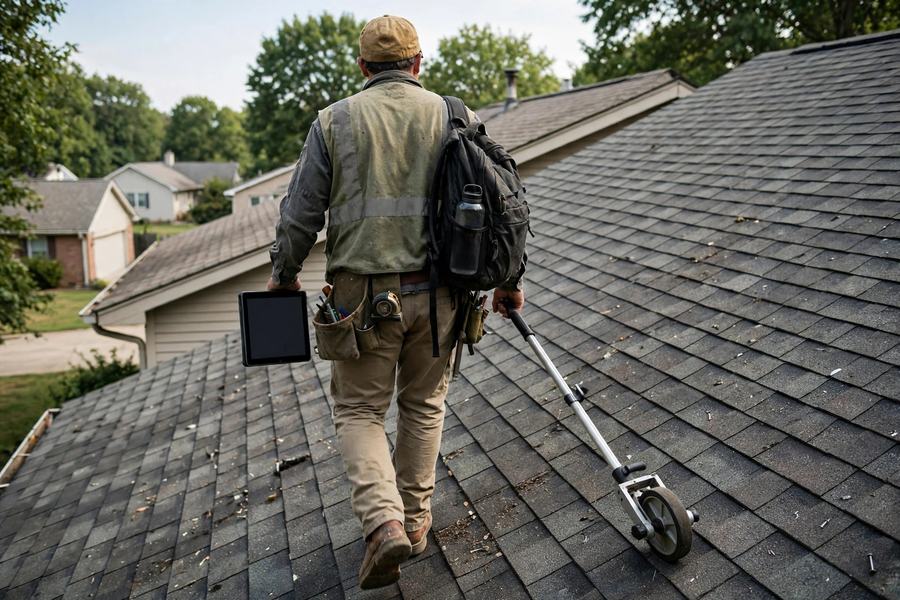
Roof Inspection & Assessment
A documented roof inspection with photos: condition by slope, remaining life estimate, storm damage findings, and a repair list in priority order in Bothell, shaped by hillside subdivisions, river bottom ranch homes, and corridor townhomes where moss covered shaded slopes, river bottom damp, and debris loaded valleys drive the call pattern.
Roof Leak Repair
Finding and fixing the actual entry point of a roof leak, which is usually flashing, a vent, or a valley rather than the shingle field under the stain in Bothell, shaped by hillside subdivisions, river bottom ranch homes, and corridor townhomes where moss covered shaded slopes, river bottom damp, and debris loaded valleys drive the call pattern.
Emergency Roof Tarping questions, answered
When is emergency roof tarping an emergency?
This is the emergency page. A roof open to the sky during storm season takes water with every band that passes, and policies expect reasonable protection against further damage. If a tree is on the roof, stay out of the rooms under it until someone has looked at the structure. Call, keep people clear, and do not climb up to take your own photos.
What affects the price of emergency roof tarping in Bothell?
The main price factors for emergency roof tarping are covered in the cost section above. The contractor confirms the exact price in a written estimate after seeing the job, and nothing is owed until you approve it. The call and the referral are free.
Does living near Mary's Creek or Clear Creek change my roof decisions?
It changes the wind and water context, not the shingle catalogue. The creek corridors funnel storm wind, so the slopes facing them take lift and driven rain first, and during Harvey those corridors were where the city's water rose, which is why creek-side roofs carry the footprint's most careful storm documentation habit. Practically: flashing and valley details on corridor-facing slopes get inspected after every named storm, attic checks follow the same calendar, and the claim file is built by storm date without exception. The roof itself is specified for the Gulf corridor generally; the documentation is specified for the creek.
How much does roof repair cost in Bothell?
Published national guides put minor roof repairs commonly between $150 and $450, leak repairs between $350 and $1,200 depending on the entry point, and emergency tarping between $200 and $1,000. Full asphalt shingle replacement runs roughly $3.50 to $6.00 per square foot installed, which lands a typical home between $5,000 and $15,000, and metal roofing runs roughly $9 to $16 per square foot installed. Anyone quoting a firm total without getting on the roof is guessing; the honest sequence is inspection, then a written price for the named failure.
Does homeowners insurance cover roof damage in Bothell?
It depends on the cause, and the cause is the whole answer. Sudden storm damage, wind that lifts or removes shingles, hail that fractures mats, and a tree through the roof are the covered kind, subject to your deductible and to whether your policy pays replacement cost (RCV) or depreciated actual cash value (ACV). Age, wear, granule loss over time, and leaks from a roof at end of life are maintenance and are not covered anywhere. Document storm damage with dated photos before tarping or repair, and file under the storm date.
Request a callback
Prefer to talk later? Leave your details and an independent local pro will call you back. No charge to you, no obligation.
Sammamish River Roofing is a free referral service. Submitting this form connects you with independent local contractors who provide the work.